

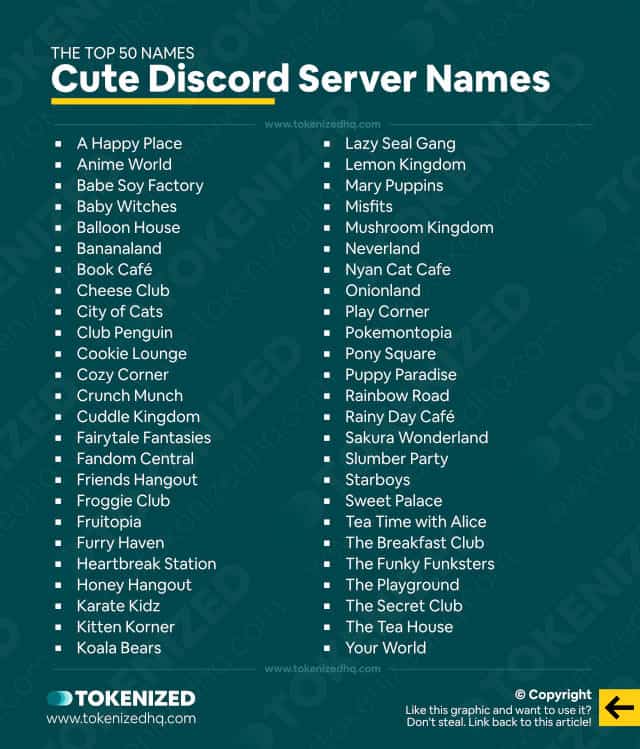
A search for Discord community channel generator should lead to a shortlist worth reviewing instead of two hundred random combinations. For a close group that wants a playful server without making visitors decode years of private jokes, the goal is a practical set of rooms for welcoming, conversation, support, events, and member-led activity. The regulars can navigate from memory, while a new friend depends on the visible labels and short descriptions. aesthetic Discord names grounded constraints produce a better shortlist. This guide uses a twelve-person server that shifts between chat, co-op games, movie nights, and weekend plans as the practical example, so every suggestion has a real place to land.
Start with the job the name must do. Write a single sentence that includes the audience, the setting, and the failure you most want to avoid. For this case, the sentence might read: “I need a Discord community channel set for a twelve-person server that shifts between chat, co-op games, movie nights, and weekend plans; it must be matched to the actual community size, moderation capacity, and reasons people return.” That is enough direction for a opening round. Add member count, weekly rituals, support load, event cadence, staff coverage, and the conversations already happening elsewhere. Leave color, lore, emoji, and clever spelling out until the plain-language candidates work. The words need to work before the styling does.
Start from evidence from the people and activity behind the name. For Discord community channel generator, collect weekly rituals, support load, event cadence, staff coverage, and conversations already happening elsewhere. Write each item in plain text and mark anything that only makes sense to one person. The small friend server case needs source words another member can understand. A generator can combine the material, but a human chooses which detail belongs.
A shortlist worth discussing needs contrast. For instance, “introductions” is compact and direct; “community-board” has a softer image; “help-desk” carries a little more atmosphere. “event-rsvp,” “member-projects,” and “feedback-box” push in other directions without becoming spelling puzzles. These examples demonstrate patterns; copy them only after adding personal context. Replace one half with a place, object, habit, or phrase from the person or group doing the naming. Specific history keeps a generated name from feeling rented.
Judge sound before novelty. Say each candidate at the pace used in a call, then say it in a sentence someone might use on Discord. A name that looks clever can stumble when spoken, clipped on mobile, or placed beside a role badge. Simulate a newcomer, regular member, event host, and moderator moving through one ordinary week. Test whether it works for the task in the brief. The placement tells you more than the idea alone. A generated channel set should be treated as a draft. Real messages and member questions decide what stays.
Community templates often arrive oversized. Begin with the weekly habits the staff can support: welcoming members, answering questions, hosting an event, sharing work, or collecting feedback. The Discord community channel generator should draft around those habits and the stated moderation capacity. New channels should follow a recurring behavior instead of hoping to create one. Add the owner and review date to any experimental room so forgotten trials do not become permanent clutter.
Check the result beside the related naming layers. A search for “Discord server channel layout” may serve a different purpose from a Discord community channel set, while results for “Discord channel name generator” may need a different length or tone. Give each layer its own job. Decide which element carries stable recognition and which can change with the server, season, or activity. Keep one familiar joke where it adds warmth and use direct wording for rules, plans, support, and recurring activities. Related labels should share a family resemblance while keeping separate jobs.
Put four results for Discord community channel generator into the live Discord context. Change only one part of the test: first hide the topic description, then collapse the surrounding categories, then try a newcomer week, a regular-member week, an event host workflow, and a moderator responding to a report. Record the point where a reader slows down. Keep a candidate when the reason is concrete, such as clean spoken rhythm. Drop it when support depends on taste alone. The written reason keeps the review grounded.
Moderation and accessibility deserve a pass of their own. Look for characters that resemble one another, text that screen readers may handle awkwardly, misleading staff language, and jokes that could target another member. Test the choice in both Discord themes and at a phone-sized view. If the group uses several languages, ask a fluent speaker to check sound and meaning. A name should avoid creating an identification problem. The check takes less time than explaining a confusing choice repeatedly.
Before publishing, run a small placement test. Put the finalist into a mock server roster, server sidebar, invite, or notification, depending on its job. Pair it with the surrounding roles and channels. Check capitalization, separators, singular and plural forms, and the spoken short form people will probably say. Keep a screenshot of the old and new state if this is a change. A candidate is ready after it survives the place where members will see it.
Give the final results for Discord community channel generator to one person outside the naming session. Offer no explanation before the test. Ask that person to choose where it belongs and describe what they expect. Then reveal the intended use and compare the gap. For a community channel set, a small mismatch may need one edit; repeated confusion sends the choice back to the shortlist. End with one named decision owner.
Retain the working record on one page: the job, personal source words, rejected patterns, shortlist, collision notes, and approved wording. Save it with the chosen name so the next change has a starting point. In the small friend server case, that record separates durable decisions from temporary taste. Results from Discord community channel generator supply options; the owner chooses the one that fits the people who will live with it. Keep the source sheet, failed options, and published form together. Write down the reason for the choice while the review is still fresh. Use the same test order when the name returns for another edit. A future editor can then follow the earlier reasoning and repair the part that stopped working. The next pass opens with the earlier decisions instead of another blank list. Once that review arrives, compare recent activity against the earlier notes and change the part that failed.